Site guide
Visiting the Normandy American Cemetery at Colleville-sur-Mer
Quick answer
The Normandy American Cemetery at Colleville-sur-Mer is free and open daily from 9 a.m. to 5 p.m., with last entry at 4:30 p.m. Plan on at least 90 minutes: the visitor center, the memorial and the overlook above Omaha Beach, then the graves. ABMC expects free pre-registration for all visitors from summer 2027.
| Fact | Detail |
|---|---|
| Admission | Free, and ABMC says it will stay free |
| Hours | 9 a.m. to 5 p.m. daily, last entry 4:30 p.m.; closed December 25 and January 1 |
| Reservations | Not needed today; free pre-registration expected from summer 2027 |
| Burials | 9,389 graves; 1,557 names on the Walls of the Missing |
| Flag lowering | Daily, one hour before closing (4 p.m. on the current hours) |
| From Bayeux | 24 km (15 miles), about 27 minutes by car |
The Normandy American Cemetery sits on the bluff above Omaha Beach at Colleville-sur-Mer, and for most Americans it's the stop that matters most on a D-Day trip. It holds 9,389 American service members, most of them killed in the landings of June 6, 1944, and the fighting that followed, plus 1,557 names of the missing. It's run by the American Battle Monuments Commission (ABMC), a US government agency, and ABMC says more than a million people visit each year. Since July 26, 2026, it has also been part of a UNESCO World Heritage Site: the World Heritage Committee's listing of the D-Day landing beaches names the American cemetery at Colleville-sur-Mer among the attributes of the site.
Entry is free and you don't need to book, at least until 2027. What you do need is a plan for your time: the visitor center, the memorial and the rows of graves take longer than people expect, and the gates stop letting people in at 4:30 p.m. Everything below was checked against ABMC's own pages in November 2026.
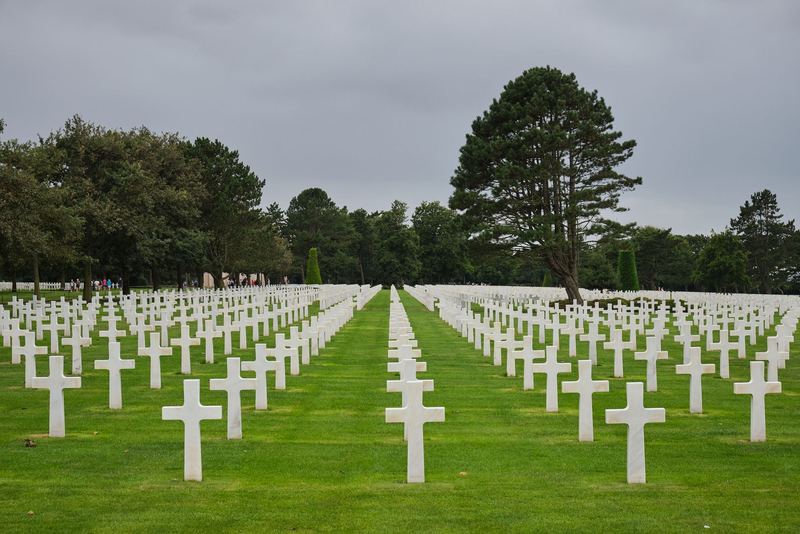
Late in the afternoon, once most tour groups have left, the silence between the rows of crosses says more than any panel. If you can, stay for the flag lowering an hour before closing: it's short, and nobody moves.
Practical info: hours, cost and what to expect
| Book | |
|---|---|
| Opening hours | 9 a.m. to 5 p.m. every day |
| Last admission | 4:30 p.m. |
| Closed | December 25 and January 1 (open on French public holidays) |
| Admission | Free |
| Reservations | Not required today; free pre-registration expected from summer 2027 |
| Parking | On site; ABMC describes it as ample |
| Accessibility | ABMC says the cemetery is wheelchair accessible |
| Restrooms | On site, plus restrooms in the visitor center |
| Animals | Service dogs only |
| Address | American Cemetery, 14710 Colleville-sur-Mer |
| Contact | NormandyVisits@abmc.gov |
How long to allow. I'd plan on 90 minutes to two hours. On a tour that gives you an hour, decide before you get off the bus whether it goes to the visitor center or the graves.
Time it around 4 p.m. The flag is lowered one hour before closing, so 4 p.m. on the current hours. Arrive by about 2:30 p.m. and you can see everything first.
What changes in 2027: pre-registration
Normandy is the only ABMC site moving to reservations. ABMC expects the free system to be in place at the end of 2026, for visits from summer 2027, and says everyone will have to pre-register: individuals, groups and tour operators. Families with a relative buried here will still be able to come whenever they choose. The booking details aren't published yet, so check ABMC's Normandy page a few weeks before your trip. On a tour, the operator registers the group; ask them to confirm it when you book.

What to see, in the order you'll walk it
ABMC describes the route east to west: from the visitor center, through the Garden of the Missing to the memorial and the reflecting pool, then the grave plots, with the chapel and two statues at the far end.
The visitor center
The visitor center sits in the woods about 100 meters east of the Garden of the Missing. ABMC opened it on June 6, 2007, and a third of the building is exhibit space, built around the personal stories of those who took part, with films, photos, interactive displays and objects. Directly outside, a reflecting pool overlooking Omaha Beach has an engraved map of the landing beaches.
If you only have an hour, it's the part to trim. If you have two, it's the part that makes the graves make sense.
The Garden and the Walls of the Missing
Behind the memorial, the semicircular Walls of the Missing carry the names of 1,557 Americans who died in the invasion and related operations and whose remains were never found or identified. Bronze rosettes mark the names of men recovered and identified since the walls were inscribed. The walls give no dates of death, because for many of the missing that date isn't known.
Many are soldiers of the 66th Infantry Division lost when the troopship SS Leopoldville was torpedoed in the Channel on Christmas Eve, 1944.
The memorial and the statue
A 22-foot bronze statue, "The Spirit of American Youth Rising From the Waves," stands at the center, facing the headstones. The colonnade around it has a loggia at each end with battle maps in English and French: the landings and the push inland on one side, the advance to Germany's surrender in May 1945 on the other. The stones in the memorial floor came from Omaha Beach, according to ABMC.
The overlook above Omaha Beach
North of the memorial, an orientation table with a map of the landings looks straight down on Omaha Beach. American soldiers used the trail below it on D-Day to move inland. It has been closed since 2016 for security reasons, so you can't walk down to the beach from here (see getting there).
ABMC's free summer guided tours start here. In 2026 they ran daily until September 30, in English at 2 p.m. and French at 3 p.m., with no reservation.
The graves
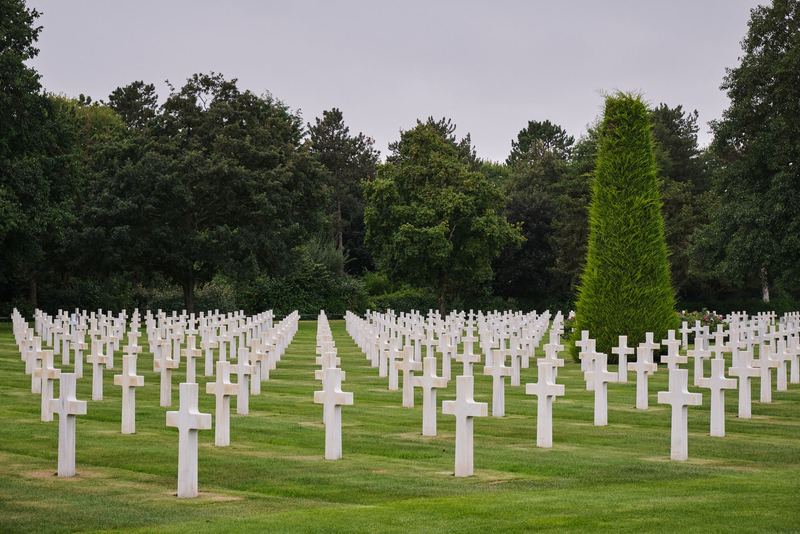
Ten plots sit five on each side of the main mall. Every grave has a white marble headstone, a Star of David for Jewish service members and a Latin cross for all others, and officers lie beside enlisted men. ABMC counts 306 headstones of unknown soldiers, three Medal of Honor recipients and four women. Forty-five sets of brothers are buried or commemorated here, 33 of them side by side, and one father and son are buried next to each other.
Graves visitors often look for, with ABMC's locations:
| Name | Who he was | Plot, row, grave |
|---|---|---|
| Theodore Roosevelt Jr. | Brigadier general, Medal of Honor, led the assault on Utah Beach | D, 28, 45 |
| Quentin Roosevelt | His brother, a World War I aviator killed in 1918, reburied beside him | D, 28, 46 |
| Preston and Robert Niland | The brothers who inspired Saving Private Ryan | F, 15, 12 and F, 15, 11 |
| Lesley J. McNair | General, one of the two highest-ranking Americans killed in action in World War II | F, 28, 42 |
| Jimmie W. Monteith | Medal of Honor | I, 20, 12 |
| Frank D. Peregory | Medal of Honor | G, 21, 7 |
The chapel, the statues and the time capsule
The circular chapel has a Medal of Honor engraved above its door and a mosaic ceiling inside. At the far west end, granite statues of Columbia (the United States, with an eagle) and Marianne (France, with a rooster) both hold olive branches.
Easy to miss: a pink granite slab in the lawn opposite the administration building covers a time capsule of D-Day news reports, to be opened on June 6, 2044.
Finding a grave or a name on the Walls of the Missing
If you're coming for a relative, do the research before you leave home.

- Search ABMC's database. The burial search at weremember.abmc.gov shows whether someone is buried or listed on the Walls of the Missing, and where. Note the plot, row and grave.
- Contact the cemetery. ABMC asks families to email NormandyVisits@abmc.gov to plan a visit to a relative's grave, a group visit or a wreath laying.
- Ask at the visitor building. When the cemetery is open, staff on duty there can escort relatives to the grave.
- Service records are elsewhere. ABMC holds only burial records; personnel and casualty files are at the National Archives (NARA) in St. Louis.
You may have seen headstone lettering filled with golden sand. ABMC staff do this when relatives lay flowers, only with permission and in their presence. Don't bring your own sand: it can stain the marble.
A private guide can research a unit and plan the day around one grave: see my private D-Day tours.
The flag-lowering ceremony
Every day, one hour before closing (4 p.m. on the current hours), ABMC lowers the American flag. It flies from the two flagpoles beyond the reflecting pool. Be there a few minutes early and stand still while it comes down.
Etiquette: what ABMC asks of visitors
ABMC calls its cemeteries sacred burial grounds and asks for "the utmost respect and solemnity." Its specific rules:

- Food and drink: only water inside the cemetery grounds. Picnics belong on the beach.
- Smoking: not allowed anywhere in the cemetery or its buildings.
- Photos: personal photos are fine if respectful. TikTok videos, wedding shoots and influencer or political content are not. Drones and commercial filming need a permit.
- Flowers and objects: natural flowers are welcome. Tell staff before placing anything at a grave, and leave no artificial flowers, printed photos, candles or coins.
- Bikes, scooters and pets: no vehicles inside, bicycles included, and no animals except service dogs.
- Dress and behavior: staff will ask visitors to change anything they find disrespectful. Reenactors in uniform aren't allowed.
With kids, explain where you're going before you arrive and keep the visit short. And give families at a headstone their space.
Getting there from Bayeux and Paris
By car. From Bayeux it's about 24 km (15 miles), around 27 minutes (OpenStreetMap routing): the N13 to Formigny, the D517 toward Saint-Laurent-sur-Mer, then the D514 to Colleville, where signs mark the entrance. Pointe du Hoc is about 14 km (8.5 miles) west, 18 minutes.
Driving from Paris? The A13 Saint-Cloud tunnel is closed toward Normandy from November 16, 2026, to August 31, 2027, according to the Préfecture d'Île-de-France.
By train. Trains run from Paris Saint-Lazare to Bayeux, which has taxis and tours. Local public transport is intermittent, so ABMC recommends arranging your ride there and back before you leave Paris or Bayeux.
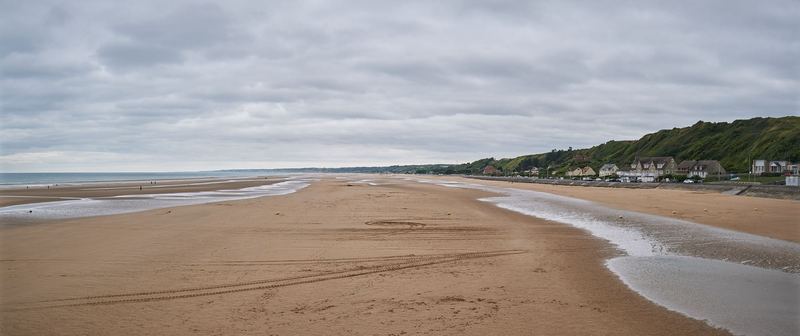
To the beach. Because the cemetery path is closed, drive down to Omaha Beach separately. The public beach at Les Braves, in Saint-Laurent-sur-Mer, is about 5 km (3 miles) by road. My Omaha Beach guide covers parking and where to walk.
For renting a car, see car rental in Bayeux or Caen. To fit the cemetery into a full day with Utah Beach, Pointe du Hoc and Arromanches, follow the self-guided driving route or the 1-day loop on my D-Day beaches page.
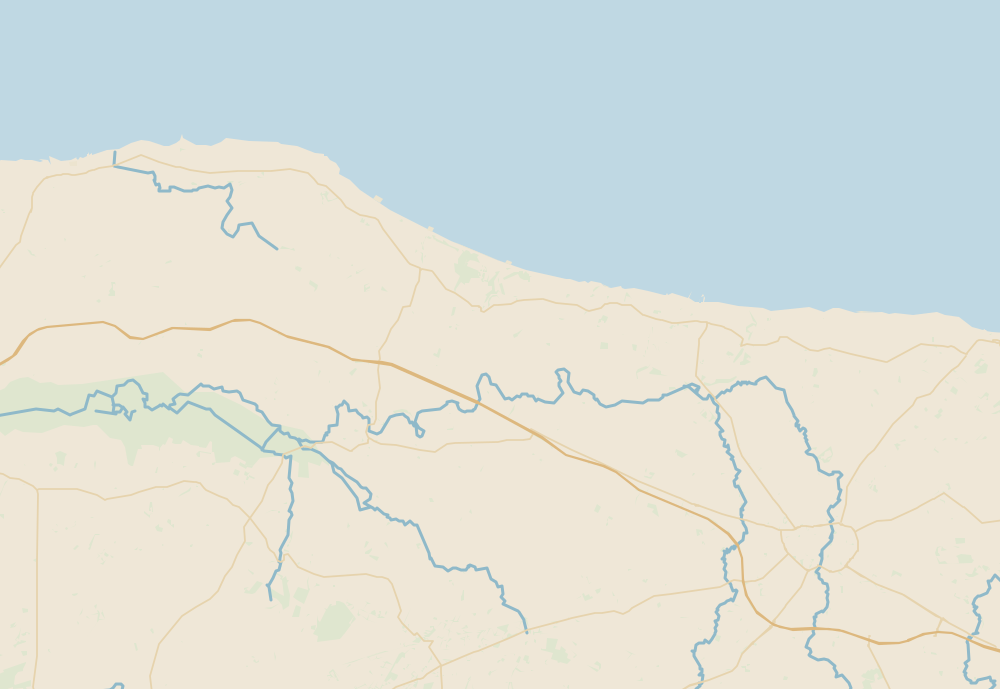
- 1Bayeux · 24 km (15 mi), about 27 min
- 2Normandy American Cemetery · Last admission 4:30 p.m.
- 3Omaha Beach (Les Braves, Saint-Laurent-sur-Mer) · Public beach access, about 5 km by road
- 4Pointe du Hoc · 14 km (8.5 mi), about 18 min; west path only until mid-2027
Map data © OpenStreetMap contributors (ODbL)
On June 6 and anniversary weeks
June 6 is the one day the usual plan doesn't work. In 2026 the cemetery stayed open to pedestrians, but the parking lot was closed to the public until about 1 p.m., the ceremony was for invited guests (others watched from behind barriers) and the visitor center reopened only mid-afternoon. Street parking in Colleville is very limited. Check ABMC's notice for your year, or come the day before or after.

Tours that include the American Cemetery
Almost every American-sector tour stops here. What varies is the time you get, from 30 minutes to 1 hour 30 in the operators' own listings. Prices from Viator unless noted, as of November 2026:
| Tour | Starts from | Minutes at the cemetery | Price from |
|---|---|---|---|
| Ophorus, U.S. D-Day sites half day | Bayeux | 90 (with the visitor center) | $123 / €110 |
| Ophorus, American D-Day sites full day (GetYourGuide) | Bayeux | 60 | $213 / €190 |
| GoldBeachCompany, American beaches full day | Bayeux | 60 | $157 / €140 |
| GoldBeachCompany, American and British half day | Bayeux | 60 | $107 / €95 |
| Bayeux Shuttle, Omaha afternoon tour | Bayeux | 60 | $99 / €88 |
| Bayeux Shuttle, American D-Day Experience full day | Bayeux | 45 | $167 / €149 |
| Normandy Sightseeing Tour, US full day | Bayeux | 60 | $149 / €133 |
| Normandy Sightseeing Tour, afternoon half day | Bayeux | 60 | $103 / €92 |
| HQ Company Tour, American beaches and US Airborne (GetYourGuide) | Bayeux | 60 | $157 / €140 |
| City Wonders, D-Day sites and cemetery with lunch | Paris | 75 | $118 / €105 |
| Blue Fox Travel, Omaha, cemetery and cider | Paris | 60 | $297 / €265 |
| Extime Travel, D-Day beaches and American Cemetery | Paris | 60 | $107 / €95 |
| The Tour Guy, D-Day beaches with lunch | Paris | 30 | $93 / €83 (sale price until December 4, 2026) |
Dollars at $1.1214 per euro (November 10, 2026), rounded. The minutes are the operators' figures, not a promise for the day.
If the cemetery is why you're going, Ophorus's half day from Bayeux lists the most time here of any group tour I compared.
Check dates for Ophorus's half day on Viatorvia Viator
From Paris, City Wonders gives the cemetery 1 hour 15, the longest stop among the budget coach tours.
Check dates for City Wonders from Paris on Viatorvia Viator
Group sizes, pickup points and the other stops are compared on D-Day tours from Bayeux and D-Day tours from Paris. If you want to choose your own time at the cemetery or visit one particular grave, a private D-Day tour is the better fit.
More of the Normandy American Cemetery from my visits
Normandy American Cemetery 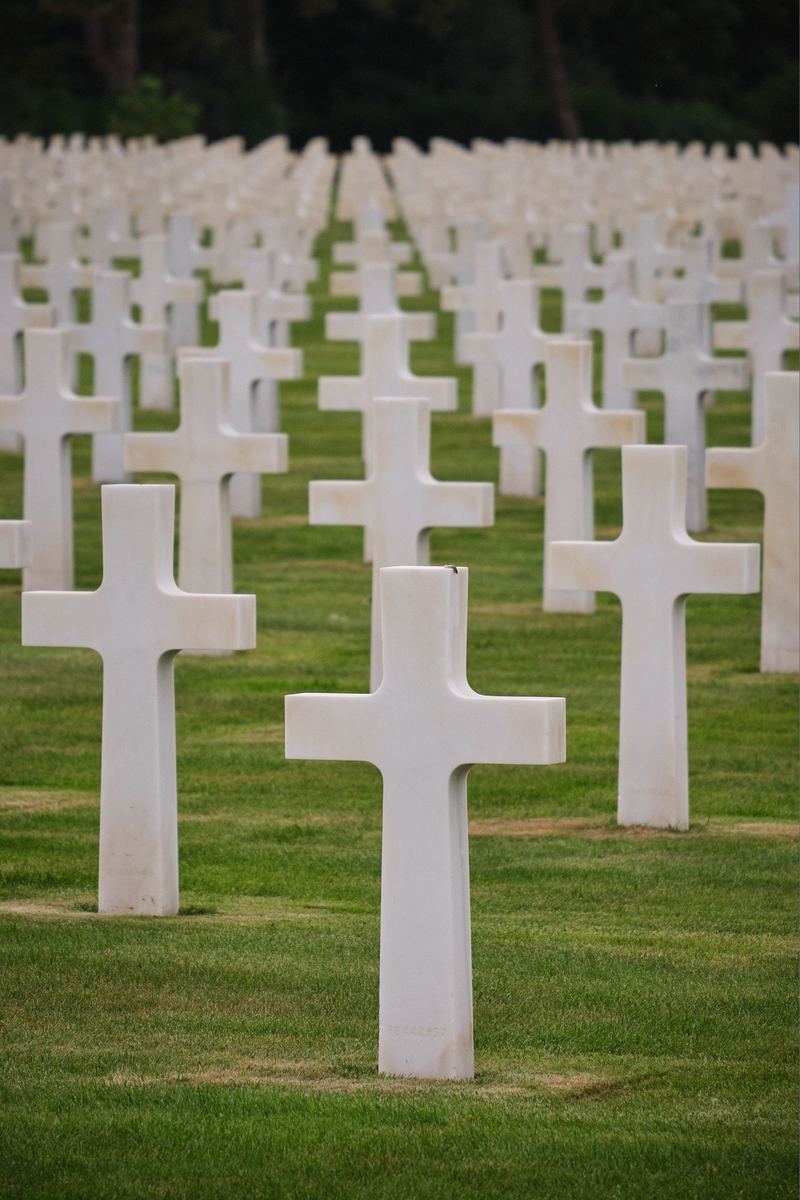
Normandy American Cemetery 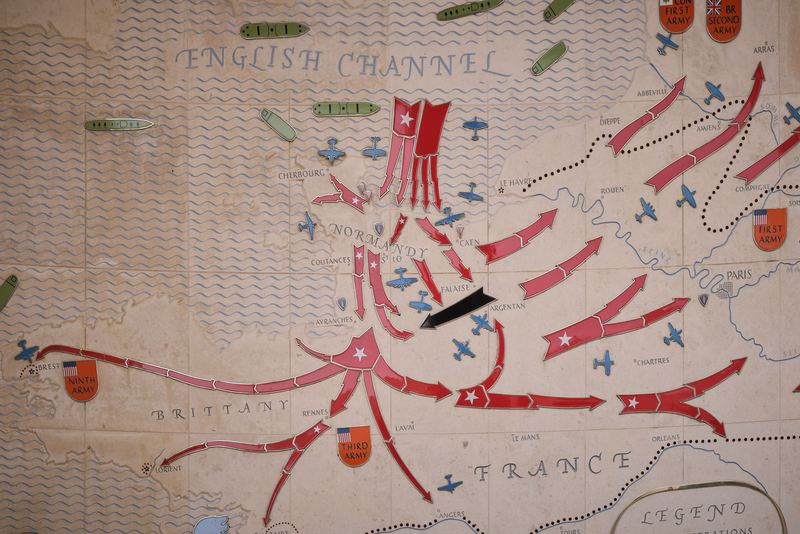
Normandy American Cemetery 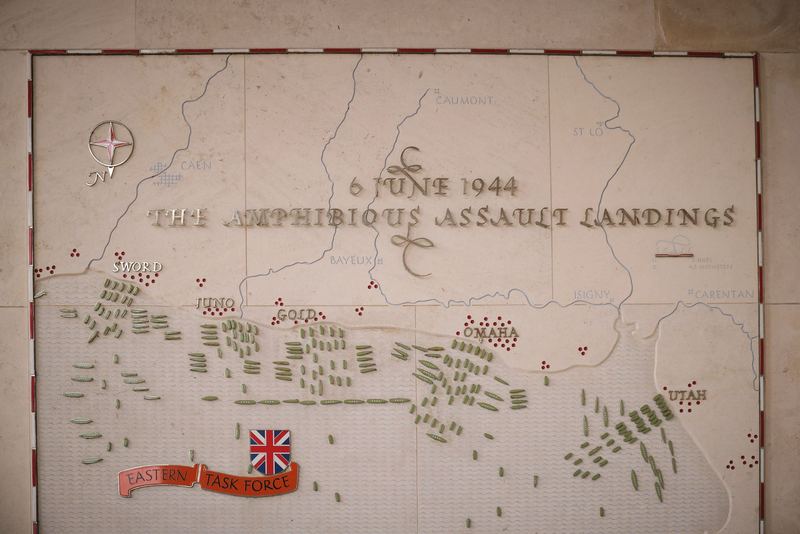
Normandy American Cemetery 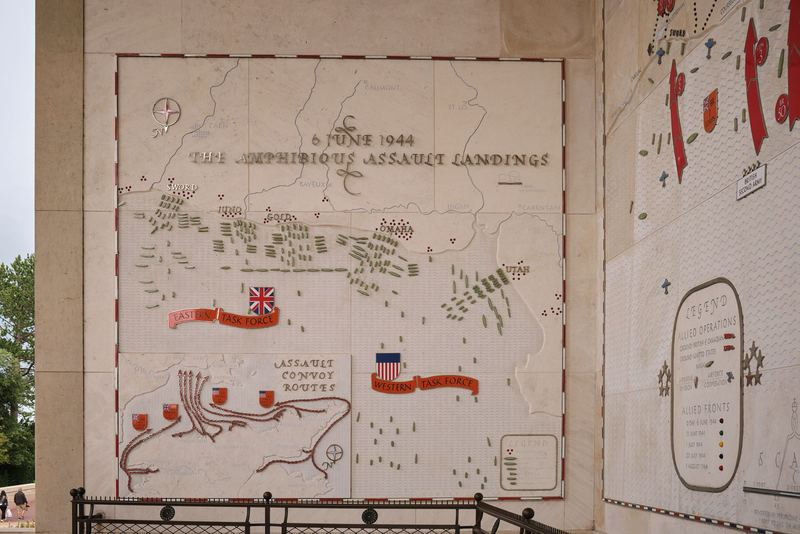
Normandy American Cemetery


Frequently asked questions
Is the Normandy American Cemetery free?
Yes. Admission is free, and the American Battle Monuments Commission (ABMC), which runs the cemetery, says all its sites are and will remain free to enter. The pre-registration ABMC plans for 2027 will also be free.
What are the opening hours of the American Cemetery in Normandy?
9 a.m. to 5 p.m. every day, with last admission at 4:30 p.m. It's closed on December 25 and January 1 and open on French public holidays. On June 6 the cemetery stays open, but the parking lot and the visitor center close around the anniversary ceremony, so check ABMC's notice for that date.
Do I need a reservation to visit the Normandy American Cemetery?
Not yet. ABMC expects a free reservation system to be in place at the end of 2026 for visits starting in summer 2027. It will apply to everyone: individuals, groups and tour operators. Visitors with a relative buried in the cemetery will still be able to come on the date and time they choose.
How do I find a specific grave?
Search the name in ABMC's burial database at weremember.abmc.gov before you travel. It gives the plot, row and grave number. At the cemetery, staff on duty in the visitor building can escort relatives to the grave. To arrange the visit or a wreath laying in advance, ABMC asks families to email NormandyVisits@abmc.gov.
How long should I spend at the American Cemetery?
At least 90 minutes if you want to see the visitor center as well as the memorial and the graves. Group tours give it between 30 minutes and 1 hour 30, and most list an hour. If you're visiting a relative's grave, give yourself more time and contact the cemetery beforehand.
Can I walk down to Omaha Beach from the cemetery?
No. ABMC closed the path from the cemetery to the beach in 2016 for security reasons. You can still look down on the beach from the overlook and the orientation table. To walk on Omaha Beach, drive to one of the public access points nearby, for example at Saint-Laurent-sur-Mer, about 6 km (4 miles) away.
Can I bring flowers to a grave?
Yes, natural flowers. ABMC asks visitors to tell staff before placing anything at a grave and not to leave artificial flowers, printed photos, candles, coins or other non-organic items, which can stain the marble. Small clean stones on Star of David headstones are welcome. Don't bring your own sand: staff place sand in an inscription only with permission.
Sources (16)
- ABMC: Plan your visit to Normandy American Cemetery (hours, admission, directions, etiquette)
- ABMC: About Normandy American Cemetery (burials, missing, visitor center, flag lowering)
- ABMC: Visiting Normandy American Cemetery (2027 pre-registration FAQ)
- ABMC: Normandy American Cemetery and Memorial booklet (PDF, 2024)
- ABMC: Frequently asked questions (flowers, sand, photos, food, animals, bicycles)
- ABMC: D-Day at Normandy American Cemetery (accessibility, restrooms, drones)
- ABMC: 82nd anniversary of D-Day, visitor access changes on June 6, 2026
- ABMC: Summer guided tours at Normandy American Cemetery (2026)
- ABMC: Exploring Normandy, visiting the cemetery and its surroundings (June 1, 2026)
- UNESCO World Heritage Committee: decision 48 COM 8B.26, The D-Day Landing Beaches, Normandy, 1944 (July 26, 2026, in French)
- ABMC burial search (We Remember database)
- Viator: Ophorus, Normandy U.S. D-Day Sites Half Day Tour from Bayeux
- Viator: City Wonders, Normandy D-Day Landing Beaches Tour from Paris
- Préfecture d'Île-de-France: A13 Saint-Cloud tunnel closure from November 16, 2026
- OSRM (OpenStreetMap routing): driving distances and times
- European Central Bank: EUR/USD reference rate, November 10, 2026
Keep planning
Related guides